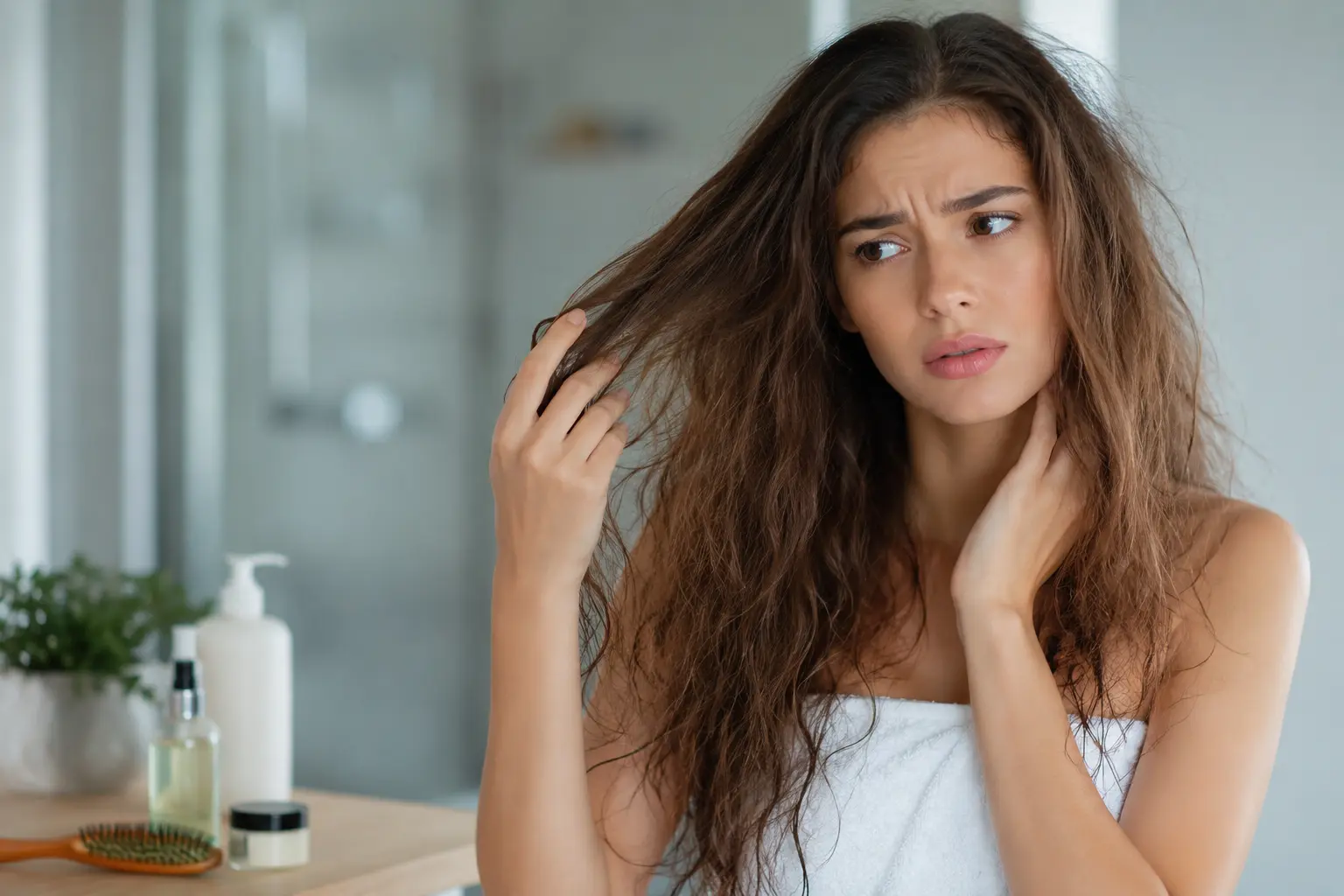

For years, I thought my hair was naturally frizzy and there was not much I could do about it. The strange part was that my hair looked perfectly fine while it was wet, but a few minutes after the shower, the roots would start puffing up and the ends looked dry. I even visited a hair salon in Business Bay hoping for a quick solution, but I soon realised that managing frizz was not just about getting a treatment—it also came down to understanding my hair and changing the way I cared for it at home.
The change came when I started paying attention to what I was doing after washing my hair. From the way I dried it to how often I used heat, several small habits were quietly making my frizz worse.
Why Does Hair Become Frizzy After a Shower?
Frizz is often linked to a raised or damaged hair cuticle. When hair lacks moisture or is exposed to friction, heat, chemical treatments, or humidity, the strands can become rough and difficult to control.
In my case, one of the biggest problems was towel drying. I used to rub my hair vigorously because I wanted it to dry quickly. That created unnecessary friction when my hair was at its most fragile.
Common causes of post-shower frizz include:
- Very hot water
- Rough towel drying
- Overwashing
- Dry or damaged ends
- Frequent straightening or curling
- Bleaching or chemical treatments
- Humid weather
- Brushing too aggressively
How to Avoid Frizzy Hair After Shower
If you’re wondering how to avoid frizzy hair after shower, start with the few minutes immediately after washing. This is where I noticed the biggest improvement.
Instead of rubbing my hair, I gently squeezed out excess water and used a soft microfiber towel. I also stopped brushing aggressively and switched to a wide-tooth comb when my hair needed detangling.
A simple post-shower routine can include:
- Rinse with lukewarm water rather than very hot water.
- Apply conditioner to the mid-lengths and ends.
- Gently squeeze out excess water.
- Avoid rough towel rubbing.
- Use a suitable leave-in conditioner if your hair needs extra moisture.
- Allow your hair to dry naturally when possible.
These changes may sound basic, but consistency matters more than using several products at once.
How to Take Care of Frizzy Hair Every Day
Learning how to take care of frizzy hair is not about making every strand perfectly straight. It is about keeping the hair moisturised and reducing the damage that makes frizz worse.
I reduced my use of straighteners and curling irons and became more careful about heat protection. I also started trimming my ends regularly because split, dry ends made the overall texture look much rougher.
At night, reducing friction can help too. A smooth pillowcase and a loose hairstyle can prevent unnecessary tangling and pulling while you sleep.
Most importantly, I stopped changing my entire routine every few days. Hair needs time to respond to consistent care.
Natural Remedies for Frizzy Hair: Do They Really Work?
When I first searched for natural remedies for frizzy hair, I found countless DIY recipes. Some can make hair feel softer temporarily, but “natural” does not automatically mean suitable for every scalp or hair type.
A small amount of coconut or argan oil before washing may help some people with dry lengths. However, heavy oils can leave fine hair greasy, and ingredients applied directly to the scalp may cause irritation for some people.
My advice is to introduce one remedy at a time and stop if your scalp becomes itchy, irritated, or unusually oily. Simple, consistent care is usually better than experimenting with several homemade treatments together.
How to Get Rid of Frizzy Hair Without More Damage
I used to search for how to get rid of frizzy hair because I wanted an instant solution. Eventually, I learned that temporarily hiding frizz and improving damaged hair are two different things.
If hair is already dry or weakened, repeatedly using a straightener can make it appear smoother for a few hours while increasing damage over time. Conditioning, gentle drying, regular trims, and reducing unnecessary heat are better long-term habits.
If frizz comes with significant breakage, thinning, or sudden changes in hair texture, it is worth speaking with a qualified hair professional rather than continuously adding new products.
What Is the Best Treatment for Frizzy Damaged Hair?
There is no single best treatment for frizzy damaged hair because the right approach depends on what caused the damage.
Hair affected by frequent bleaching may need a different treatment from hair damaged mainly by heat styling. A professional stylist can assess the condition of the strands and suggest options such as intensive conditioning, bond-repair treatments, trimming, or changes to your styling routine.
I learned that lesson after trying too many treatments together. Once I simplified my routine, it became much easier to understand what actually worked for my hair.
When Should You Visit a Professional?
Home care can make a big difference, but severely damaged hair sometimes needs professional attention. Persistent breakage, badly split ends, or repeated chemical damage are signs that a professional assessment may be useful.
For women living or working nearby, a hair salon in Business Bay can be a convenient option for regular trims, conditioning treatments, and professional advice based on the condition of the hair.
A Ladies salon Business Bay can also provide a more personalised approach when you want professional hair treatments while maintaining a regular home-care routine.
FAQs
Why does my hair become frizzy immediately after showering?
Dryness, friction, hot water, humidity, and rough towel drying can all contribute to frizz after washing.
Should I brush frizzy hair when it is wet?
Use a wide-tooth comb gently if necessary. Avoid aggressive brushing because wet hair is more vulnerable to breakage.
Can oil reduce frizz?
Yes, a small amount of suitable oil can help smooth dry lengths, although results vary depending on your hair type.
Does conditioner help with frizzy hair?
Yes. Conditioner helps add moisture and can make the hair surface smoother and easier to manage.
Can damaged hair become completely healthy again?
The damaged portion of a hair strand cannot biologically repair itself, but proper care, trimming, and conditioning can improve its appearance and prevent further damage.